
Beans are one of the most versatile ingredients you can keep in your kitchen. Whether you start with dried beans or open a can from the pantry, they can quickly become soups, salads, spreads, grain bowls, or simple stovetop meals.
If you've spent any time on this site, you probably already know that I cook with beans constantly. They show up in a huge percentage of the recipes here, and they're a staple ingredient in my own kitchen. Once you get comfortable with a few core techniques, beans become one of the easiest ways to build satisfying, flexible meals from simple ingredients.
In this guide, you'll find the core cooking methods I return to most often in my own kitchen. Each section gives a quick overview of the method and links to recipes that show the technique in action.
*Cooking dried beans is useful to understand, but it is not required for most of the recipes below. Canned beans or previously cooked beans can usually be used instead.
In this post we'll cover:
- Cooking dried beans (the foundation for many recipes)*
- Beans in soups
- Bean salads and grain bowls
- Stovetop beans with aromatics
- Bean dips and spreads
- Smashed beans
- Stuffed vegetables with beans
- Bean patties and fritters
- Roasted beans and baked bean dishes
Jump to:
Cooking Dried Beans
If you start with dried beans, they need to be cooked before they can be used in most recipes. Once a batch of beans is simmered until tender, they become incredibly flexible and can be used in nearly all of the cooking methods in this guide.
Cooking dried beans is usually a simple process, even though it can feel intimidating at first. I remember being a little nervous about cooking dried beans the first time-it somehow seemed complicated-but it's actually a wildly simple process. Soak the beans (optional but helpful), simmer them in water with a few aromatics like onion, garlic, or bay leaf, and cook until tender. From there, the beans can be used immediately or stored for later meals.
Sometimes the beans themselves are the main event. A pot of brothy beans with olive oil and aromatics can be served on their own with bread or grains. Other times, the beans are cooked as part of a larger dish, such as red beans and rice or a navy bean soup simmered with a ham bone.
If you're new to cooking dried beans, these guides walk through the process step-by-step and cover specific varieties:
- How to Cook Dried Beans
- Quick Soak Method for Beans
- How to Cook Navy Beans
- How to Cook Great Northern Beans
- How to Cook Cannellini Beans
- How to Cook Cranberry Beans
- How to Cook Pinto Beans
- How to Cook Black-Eyed Peas
Once the beans are cooked, they can be used in any of the methods below-from soups and salads to stovetop beans, spreads, and more.


Beans in Soups
Beans are a natural fit for soups. They add body, protein, and a satisfying texture that helps turn a pot of soup into a complete meal. This method works well with beans cooked from dried or with canned beans, depending on how much time you have.
In some soups, beans are the main ingredient. Recipes like Black Bean Soup or Curried Butter Beans build the entire dish around the flavor and texture of the beans. The beans simmer in broth with spices, aromatics, and vegetables, creating a hearty and deeply flavored soup.
In other soups, beans play more of a supporting role. Rather than carrying the whole dish, they add another layer of flavor, texture, and body to the soup. You'll see this in recipes like Sausage, Kale, and White Bean Soup or White Bean Chicken Chili, where the beans complement the other ingredients while also sneaking in a little extra protein and fiber.
Another technique I use often is blending beans directly into soup to create a naturally creamy texture, but I tend to use it in two slightly different ways.
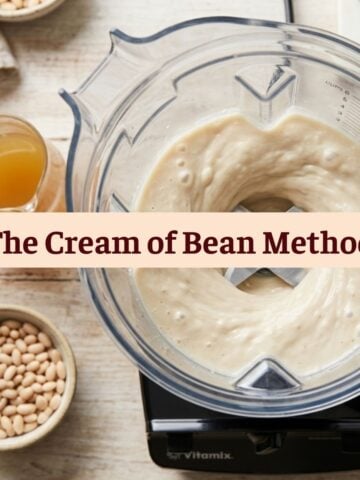
The first is what I think of as a "cream of bean" method. In this approach, a portion of the beans is blended with broth and then stirred back into the pot to create a creamy base. The soup itself may still have other ingredients and textures-like mushrooms, vegetables, or whole beans-but the blended beans act almost like a dairy-free cream that thickens the broth. This is the technique I use in soups like Dairy‑Free Cream of Mushroom Soup.
The second approach is adding beans to soups that were already meant to be blended smooth. In soups like Butternut Squash Soup, Tomato Soup, or Roasted Red Pepper Soup, the entire pot is blended at the end. Adding beans to the pot before blending helps create a richer, silkier texture while also quietly boosting the protein and fiber. The outcome is a smooth, creamy soup where the beans disappear into the base rather than standing out as their own ingredient.




Bean Salads and Grain Bowls
Salads are another natural place for beans. They add substance, protein, and texture, and they hold up well to dressings, herbs, and bold flavors. I tend to think about bean salads in two slightly different categories: salads where beans are the main ingredient, and salads where beans are added to complement other ingredients.
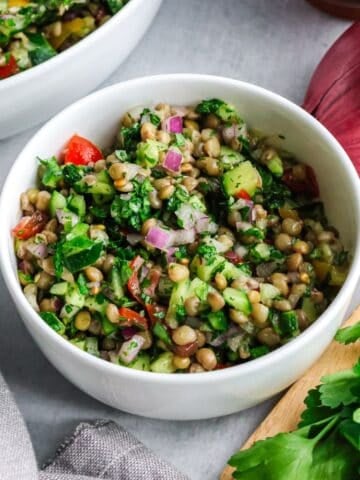
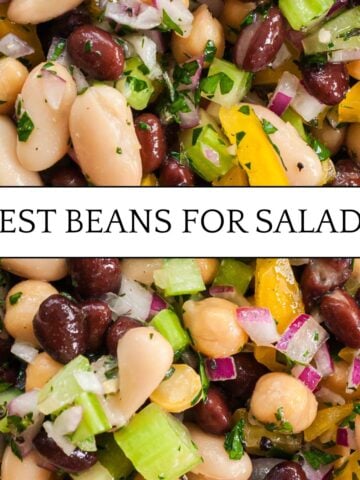
In dense bean salads, the beans are the star of the dish. These salads are usually built around one or two types of beans tossed with vegetables, herbs, and a flavorful dressing. You can learn more about this approach in my guide to Dense Bean Salad or explore the full collection of recipes in the Bean Salads category. Examples include recipes like Buffalo Chickpea Salad or other hearty bean‑forward salads that hold up well for meal prep.
In other salads, beans play more of a supporting role. They're added to vegetablevbased salads to bring extra texture and balance. This might look like chickpeas folded into a Carrot Raisin Chickpea Salad, white beans added to a Cucumber Beet and White Bean Salad, or beans tossed into salads like Kale and White Bean Salad with Pesto Dressing or Apple Fennel Slaw with Chickpeas.
A closely related approach is using beans in grain bowls. In these meals, beans are combined with grains like quinoa or rice along with vegetables and a dressing or sauce. The beans provide protein and help tie the other components together, turning a bowl of grains and vegetables into a complete meal. Examples include dishes like Quinoa and Garbanzo Bean Salad, where beans help anchor the bowl and make a grain-forward dish more satisfying.



Stovetop Beans
One of the easiest and most flexible ways to cook with beans is simply warming them on the stovetop with a few aromatics. This method works especially well with canned beans or with a batch of beans you've already cooked from dried.
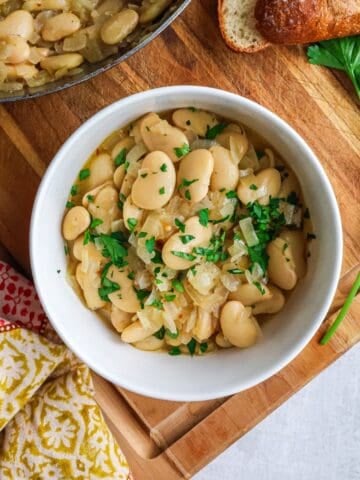
The process is straightforward: sauté aromatics like onion or garlic in olive oil, add the beans along with a splash of liquid, and let everything simmer together for a few minutes. As the beans heat through, they absorb the flavors of the aromatics and the cooking liquid. A squeeze of lemon, a handful of herbs, grated cheese, or toasted breadcrumbs at the end can quickly turn a simple pan of beans into something that feels like a complete dish.
This technique is incredibly adaptable and works across many flavor profiles. Some recipes keep things very simple, like Easy Butter Beans (Simply Sautéed) or Sautéed White Beans with Parmesan and Lemon. Others build a slightly richer sauce around the beans, like Creamy White Beans with Toasted Breadcrumbs orMarry Me Beans.
Stovetop beans are a great example of how a simple pantry ingredient can quickly become dinner with just a handful of supporting ingredients.



Bean Dips and Spreads
Another very common way to cook with beans is by blending them into dips and spreads. Beans have a naturally creamy texture once blended, which makes them an excellent base for everything from classic hummus to more creative bean-based spreads.
In many cases, the beans are blended with ingredients like garlic, lemon juice, herbs, and spices to create a smooth dip that can be served with vegetables, crackers, or bread. Traditional hummus recipes are often blended with tahini for richness, while many white bean spreads rely more heavily on olive oil to create a silky texture and round out the flavor. Recipes like Classic Hummus, White Bean and Carrot Dip, or Black Bean Hummus all build on this simple method.
Bean spreads can also be used beyond traditional dips. One of my favorite variations is using a creamy bean spread as a replacement for cheese in dishes that normally rely on dairy. For example, in my Cheeseless Pizza method, a blended white bean spread is used as the creamy base on the pizza instead of cheese. The beans provide richness and body while still letting the other toppings shine.
Once you start thinking of beans as a creamy base, this method becomes extremely flexible. The same basic technique can create dips for snacking, spreads for sandwiches, or creamy bases for dishes like pizza and flatbreads.


Smashed Beans
Another simple but very useful technique is smashing beans. Instead of blending the beans completely smooth like a dip, they are lightly mashed so some texture remains. This creates a mixture that can act as a filling, a spread, or even a binder in other recipes.
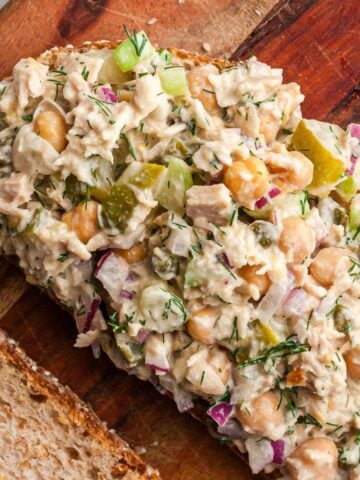
A classic example of this method is refried beans, where cooked beans are warmed and mashed until they form a thick, scoopable mixture. But the same idea shows up in many other dishes. For example, smashed beans can form the base of sandwiches like a Chickpea Salad Sandwich or a Tuna Chickpea Salad Sandwich.
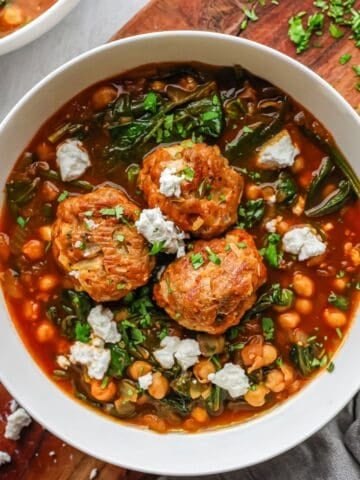
Smashed beans also work well as part of fillings and mixed dishes. They can be tucked into recipes like Stuffed Mushrooms with White Beans or blended into dishes such as Turkey Meatballs with Beans where they add moisture, texture, and extra protein without standing out as a separate ingredient.
Because the beans are only partially mashed, this method keeps more texture than a dip or spread while still creating a cohesive mixture that can be used in many different ways.


Stuffed Vegetables
Beans are also a great ingredient for stuffing vegetables. Their texture holds up well during baking, and they easily absorb the flavors of herbs, spices, sauces, and other ingredients mixed into the filling.
Stuffed peppers are one of the most common examples. Beans can be combined with grains, vegetables, and sauces to create a filling that works across many different flavor profiles. Recipes like Harissa Chickpea Stuffed Peppers or Black Bean Quinoa Stuffed Peppers build a complete meal around beans as part of the filling. This same approach also works well with other vegetables, like in Stuffed Summer Squash with Black Beans, where the beans become the backbone of the filling.
Beans can also appear in smaller stuffed dishes where they act as part of the filling mixture. For example, beans or bean-based spreads can be used in recipes like Mediterranean Stuffed Cucumbers or mixed into fillings for stuffed mushrooms and other vegetables.
This method works well because beans provide structure and substance to the filling while still adapting to a wide range of seasonings and ingredients.



Bean Patties and Fritters
Beans can also be formed into patties or fritters, where they act as the main structure of the dish. In this method, cooked beans are usually mashed or pulsed with ingredients like herbs, spices, vegetables, and sometimes breadcrumbs or eggs to help bind everything together. The mixture is then shaped and either pan‑fried, baked, or cooked in the air fryer.
This technique is especially useful for creating bean‑based burgers or savory fritters that can be served in sandwiches, wraps, or as part of a larger meal. Recipes like Black Bean Burgers, White Bean Burgers, or Sweet Potato Black Bean Fritters all use this general method.
A closely related example is Air Fryer Falafel, where chickpeas are blended with herbs and spices before being shaped and cooked. While falafel has its own distinct flavor profile and technique, it follows the same general idea of turning beans into a structured mixture that can be shaped and cooked.
Once you understand the basic approach, this method becomes very adaptable. The same base mixture can often be shaped into larger patties for sandwiches or smaller fritters that work well as appetizers or side dishes.




Roasted Beans and Baked Bean Dishes
Roasting is another excellent way to cook with beans, and it can show up in two slightly different forms. Some recipes roast beans until they become crispy and snackable, while others bake beans in casseroles or saucy dishes where the beans absorb flavor as they cook.
The first approach is roasting beans until they develop a crispy exterior. This works especially well with beans like chickpeas or large butter beans. After drying the beans well, they are tossed with olive oil, salt, and spices and roasted in the oven or cooked in the air fryer until the outside becomes golden and crisp. Recipes like Crispy Butter Bean Croutons or Air Fryer Chickpeas use this technique to turn beans into crunchy toppings for salads, soups, and grain bowls, or even simple snacks.
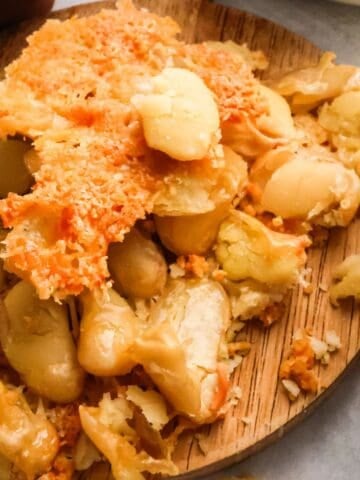
The second version of this method is baking beans in a casserole‑style dish where they cook together with tomatoes, cheese, vegetables, or aromatics. In these recipes, the beans stay tender while the surrounding ingredients form a rich, baked sauce. Dishes like Cheesy White Bean and Tomato Bake show how beans can anchor a simple oven‑baked meal that feels hearty and comforting.
Both of these roasting approaches highlight how well beans adapt to dry heat cooking. Whether you are crisping them up for texture or baking them into a saucy casserole, roasting adds another layer of flavor that expands the range of ways you can cook with beans.


Final Thoughts on Cooking With Beans
Once you start thinking about beans as a flexible ingredient rather than a single type of dish, they become much easier to cook with. The same pot of cooked beans can move between several of these methods over the course of a few meals. One night they might show up in soup, the next day in a salad, and later in the week in a spread or a grain bowl.
That flexibility is one of the reasons beans appear so often in my own kitchen and across the recipes on this site. They work with a wide range of cuisines, they pair well with vegetables, grains, and meats, and they make it easier to build satisfying meals from simple ingredients.
If you are just starting to cook with beans, try experimenting with one or two of these methods first. Over time, these techniques become second nature, and beans quickly turn into one of the most reliable ingredients you can keep in your pantry.
Did you make this recipe? Let me know!