
I've always enjoyed finding ways to weave beans into all sorts of recipes. One approach I rely on quite a bit is blending beans into a creamy base. It's a practical way to add body to soups and stovetop dishes, and it's also an easy way to incorporate beans into recipes where you might normally reach for cream or milk.
Sometimes I use this technique intentionally because I want the extra fiber and protein that beans provide. Other times it simply comes down to what I have in the kitchen. Cans of beans last a long time in the pantry, and they're almost always within reach when I'm cooking dinner.
Over time, this simple method has become one of the most reliable ways I use beans in everyday cooking.
Examples of Recipes Where This Works
Blended beans can work in a surprising range of dishes. The goal isn't to make the dish taste like beans, but to create a smooth base that adds richness and thickness.
You'll see versions of this technique in several recipes on my site. For example, my dairy-free cream of mushroom soup and Tuscan white bean soup both use the "cream of bean" technique to create a creamy base without relying on heavy cream.
The same idea can also work in:
- soups
- skillet sauces
- braised bean/ chicken dishes
- casseroles
- recipes that traditionally use heavy cream
You can even use it in recipes like Marry Me Beans (or Marry Me Chicken), where the sauce benefits from extra body and richness.
Once you start using this method, it becomes a flexible way to build creamy textures into all kinds of dishes.


How to Make Cream of Bean
The process itself is extremely simple and only takes a few minutes.
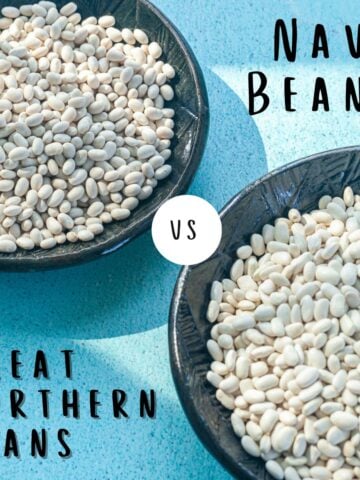
- Start with one can of beans, drained and rinsed. White beans tend to work especially well because they blend into a smooth texture and have a mild flavor.
- Place the beans into a large measuring cup or blender.
- Add just enough liquid to cover the beans. Water works perfectly well, but you can also use vegetable stock or chicken stock for additional flavor.
- Use an immersion blender or regular blender to puree the mixture until completely smooth.
The result should be a creamy, pourable mixture that resembles light cream.
From there, you can add the blended beans directly to soups, sauces, or stovetop dishes anywhere a recipe might normally call for cream or milk. It thickens the dish slightly and gives it a smooth, velvety texture.


Blended Bean Soup Method
A closely related approach is what I think of as the blended bean soup method. Both techniques rely on the same idea: beans create a naturally creamy texture when they are blended. The difference is simply when the beans are blended.
With the cream of bean method, the beans are blended separately with liquid first and then added to a soup or sauce as a cream replacement.
With the blended soup method, the beans are added directly to the soup pot along with the other ingredients. Once everything has simmered, the entire soup is blended together to create a smooth, creamy texture.
You can see this approach in several soups on my site. Recipes like my White Bean Carrot Soup, Roasted Red Pepper Soup, and Butternut Squash Soup rely on blending the whole soup to create that creamy texture without needing cream.




I have nothing against using cream in cooking. We cook with dairy in our house all the time. But this bean method is a useful option to keep in your back pocket.
Sometimes it's a way to increase fiber and protein in a dish. Other times it's simply the practical solution when you don't have cream or milk on hand.
Since canned beans keep for months in the pantry, this technique makes it easy to build a creamy soup or sauce using ingredients that are already in the kitchen.
And once you start using it, you'll likely find yourself reaching for it more often than you might expect.




Did you make this recipe? Let me know!