
When I first started cooking with beans and lentils, I had no idea what a pulse was. I don't think I had ever even heard the word before. What I did know was that I really enjoyed cooking with beans and lentils. A pot of lentil soup, a chickpea salad for lunch, beans folded into dinner whenever the pantry was looking a little bare.
Somewhere along the way, that casual interest slowly turned into something closer to a mild obsession. I started reading more about beans and lentils, experimenting with different varieties, and realizing how central they are to cuisines all over the world.
At some point during that process, I finally learned the word pulses. (It was actually when I stumbled across recordings from BeanCon 2024 and ended up binge‑watching the entire conference while I was recovering from arm surgery.)
Pulses are simply the dried edible seeds of certain legume plants - the broad category that includes beans, lentils, chickpeas, and dry peas.
These days I'm the person who happily shows up to a holiday party carrying a bean salad or a lentil dish and starts talking about why pulses are one of the most practical ingredients you can cook with. The more I learn about them, the more impressed I am by how versatile, affordable, and satisfying they are in the kitchen.
So if you've seen the word pulses floating around and wondered what it actually means, you're in the right place.
Yes, I am going to geek out about them a little bit. But I promise to keep things grounded in the kitchen too, because at the end of the day, pulses are some of the most practical and delicious ingredients you can cook with.
Jump to:
What Are Pulses?
Pulses are the dried, edible seeds of certain plants in the legume family. These seeds grow inside pods and are harvested once they have matured and dried.
In everyday cooking, the pulses most people recognize include:
- Lentils (e.g., green, brown, red, black/beluga)
- Chickpeas (e.g., desi, kabuli/garbanzo)
- Beans (e.g., pinto, black, kidney, navy, adzuki, lima, mung)
- Dry peas (e.g., split peas, black-eyed peas, pigeon peas)
These foods share several characteristics. They are naturally low in fat, rich in fiber, and easy to store for long periods of time. Because they are harvested dry, pulses can sit in your pantry for months or even years before being cooked.
If you want a helpful visual overview of the different types, the Global Pulse Confederation has a great visual guide to pulses.
For home cooks, pulses are simply the ingredients that form the backbone of so many comforting and practical meals: soups, stews, bean salads, grain bowls, spreads, and quick pantry dinners.


Pulses vs. Legumes (The Confusing Part)
One of the most common questions people have is whether pulses are just another word for beans or legumes. The answer is a little more specific than that.
Legumes are a large plant family (Fabaceae). This group includes the plants themselves, their pods, and the seeds that grow inside those pods.
Pulses are specifically the dried edible seeds harvested from those plants.
All pulses are legumes, but not all legumes are pulses.
In kitchen terms, pulses are the dried ingredients you cook with: lentils, chickpeas, dried beans, and dried peas.
The difference between pulses vs legumes comes down to how the seeds are harvested and used.
Some foods come from legume plants but are not considered pulses. For example:
- Soybeans
- Peanuts
- Green beans
- Fresh peas
Soybeans and peanuts are classified as oilseed legumes, meaning they are grown primarily for their oil content. Green beans and fresh peas are harvested and eaten while still tender, before the seeds fully dry.
Pulses, by definition, are harvested when the seeds have matured and dried inside the pod.
Once you understand this distinction, the rest of the pulse world becomes much easier to navigate.


The Four Major Pulse Categories
Most pulses that appear in everyday cooking fall into four broad categories. Thinking about pulses this way makes it easier to recognize how they show up in everyday cooking.
Lentils
Lentils (e.g., green, brown, red, black/beluga) are small, lens-shaped seeds that cook relatively quickly compared to many other pulses. One reason cooks love them is that most varieties cook quickly and usually do not require soaking. They are widely used in soups, stews, and salads.
Dry Peas
Dry peas (e.g., split peas, black-eyed peas, pigeon peas) include several pulses that behave quite differently in the kitchen. Split peas are dried peas that have been hulled and split, which allows them to break down and become creamy as they cook, making them ideal for dishes like split pea soup or dal‑style preparations.
Other dried peas, such as black‑eyed peas or pigeon peas, tend to hold their shape more like beans and are often used in stews, rice dishes, and braised preparations across many cuisines.
Dry Beans
Beans (e.g., pinto, black, kidney, navy, adzuki, lima, mung) are probably the most familiar pulses in many home kitchens.
Beans were definitely the pulses I was most familiar with growing up. For most of my childhood, beans came from a can in our kitchen. I still use canned or jarred beans all the time, but I am grateful that I eventually learned how to cook them from scratch too. From quick weeknight bean bowls to big pots of chili, bean salads, and simple sautéed pantry dinners, dry beans are incredibly adaptable and show up in cuisines all over the world.
Chickpeas
Chickpeas (e.g., desi, kabuli/garbanzo) are another very familiar pulse in many kitchens. You will often see them labeled garbanzo beans at the grocery store. Even though the word bean is right there on the label, chickpeas are technically their own type of pulse rather than one of the true beans listed above.
They are round, slightly nutty, and widely used in Mediterranean and Middle Eastern cooking, where they appear in dishes like hummus and falafel.


The Wider World of Pulses
The more I started reading about beans and lentils, the more I realized that the pulse world is much bigger than what most of us see in a typical grocery store.
While beans, lentils, chickpeas, and peas make up the pulses most commonly used in North American kitchens, the global world of pulses is much broader.
Many traditional cuisines rely on pulses that may be less familiar in everyday grocery stores but are incredibly important around the world. These include:
- Pigeon peas
- Fava beans
- Bambara beans
- Lupins
- Cowpeas
Across cultures, pulses appear in an enormous range of dishes. In India, lentils and split peas are cooked into countless varieties of dal. In the Middle East and North Africa, chickpeas and fava beans appear in dishes like hummus and falafel. In Latin American cooking, beans are central to meals ranging from soups and stews to tacos and rice dishes. In East Asia, mung beans and adzuki beans show up in both savory meals and sweet desserts.
If you are curious about the deeper global history of beans and pulses, a fun place to start is Beans: A History by Ken Albala. Albala has a great sense of humor as he shares his deep knowledge of how beans and other pulses have traveled through cuisines around the world.



Why Pulses Matter
Humans have been eating pulses for thousands of years, and they continue to play an important role in diets across the globe. Archaeological research on early legume domestication is also discussed in Domestication of Plants in the Old World.
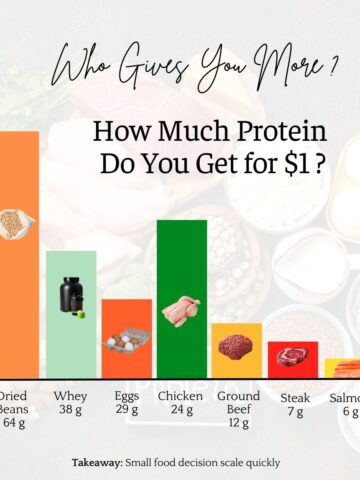
Part of their lasting popularity comes from their practicality. Pulses are affordable, easy to store, and naturally shelf-stable when dried. They can be cooked in large batches and used across many different meals.
For communities around the world, pulses also provide an accessible source of plant-based protein and fiber. Because they grow well in many climates and can be stored for long periods of time, they have long been considered an important component of global food security. (More on these topics in a blog post coming soon.)
A Quick Look at Nutrition
Pulses are often celebrated for their nutritional profile. While each type of pulse is slightly different, most share several key characteristics.
They are generally:
- A good source of plant-based protein
- High in dietary fiber
- Naturally low in saturated fat
- Rich in minerals such as iron, magnesium, and potassium
Many nutrition guidelines highlight pulses as a helpful way to build balanced, satisfying meals. If you are curious about the details, I have separate guides that dive deeper into topics like protein in beans and the fiber content of different pulses.
Why Pulses Are Good for the Planet
Beyond their role in everyday cooking, pulses are also important crops in agriculture.
Legume plants have the unique ability to work with soil bacteria to capture nitrogen from the atmosphere and convert it into nutrients that plants can use. This natural process helps improve soil health and reduces the need for synthetic fertilizers.
Pulses are often highlighted as crops that can play an important role in sustainable food systems.
What Pulses Look Like in Everyday Kitchens
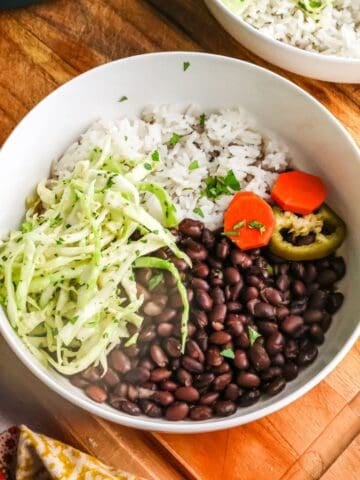
A pot of lentil soup simmering on the stove. A chickpea salad tossed with herbs and lemon. Beans folded into tacos, grain bowls, or a quick sautéed dinner when the pantry is looking a little bare. These are all everyday examples of pulses in action.
What makes pulses especially useful in the kitchen is how flexible they are. The same beans or lentils can show up in completely different kinds of meals depending on how you cook them.
Soups and Stews
Beans and lentils are a traditional foundation for soups and stews in many cuisines around the world. Lentils break down into rich, hearty broths, while beans add body and creaminess. On my site this shows up in recipes like Tuscan White Bean Soup, Roasted Pepper and Red Petter and White Bean Soup, and several lentil soups that rely on pulses to build flavor and substance without needing much more than a few vegetables and pantry staples.
Salads and Meal‑prep Dishes
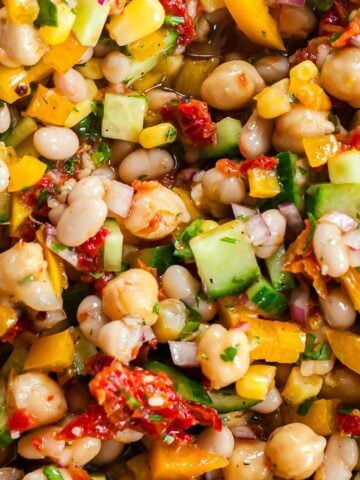
Beans and lentils are also excellent in salads because many varieties hold their shape after cooking. When I think about bean salads, I usually think about them in two slightly different categories.
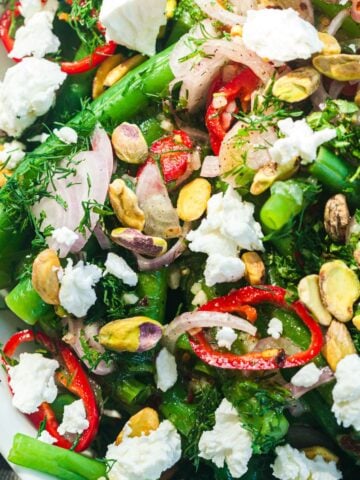
The first is what I think of as a dense bean salad-the kind where the beans are the main ingredient and everything else supports them. These are the kinds of salads that travel well, hold up in the refrigerator, and often taste even better the next day. In my cookbook I describe this approach in what I call The Anatomy of a Bean Salad, a simple framework built around beans, crunchy vegetables, fresh herbs, and a bright vinaigrette.
The second category is a vegetable‑forward salad with beans added in. In these dishes the vegetables take the lead, while beans or lentils add protein and substance. A lentil tabbouleh, a chickpea‑packed chopped salad, or a carrot salad with chickpeas are all good examples of this style. In both cases, pulses help turn what might otherwise be a side dish into something much more satisfying.
More Ways to Cook with Pulses
One of the things I appreciate most about beans and lentils is how many different ways they can show up in everyday cooking. Beyond soups and salads, pulses can be folded into grain bowls, blended into creamy soups, stirred into pasta sauces, tucked into tacos, roasted until crispy, or simply sautéed with olive oil, garlic, and herbs for a quick dinner.
Because there are so many different varieties of beans and lentils, the possibilities really are endless. Some recipes lean into long-simmered comfort foods like stews and chili, while others use pulses in lighter dishes like salads, grain bowls, and spreads such as hummus.
If you are looking for more ways to cook with pulses, you can explore my full collections of bean recipes and lentil recipes, where you will find soups, salads, pantry dinners, and meal-prep friendly dishes built around these ingredients.
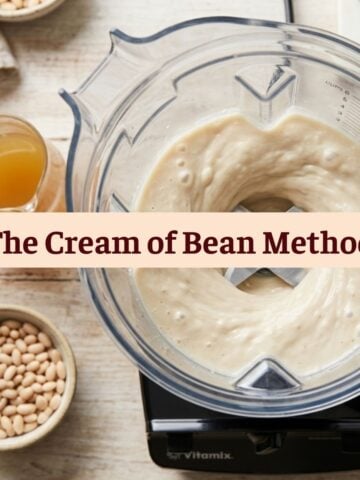
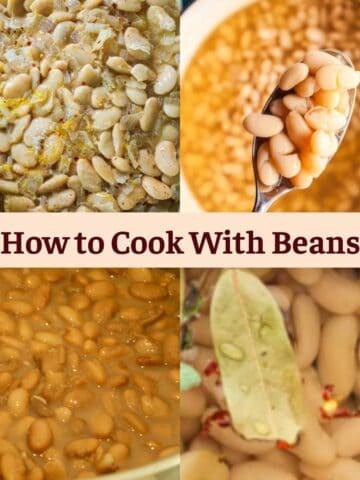
I also have a detailed guide called How to Cook with Beans that walks through several practical approaches-from quick canned-bean meals to cooking dried beans from scratch.
And if you really want to dive deeper, my digital cookbook Beans to the Rescue gathers many of my favorite methods and recipes for making beans an easy and satisfying part of everyday meals.
There is a lot to explore in the world of pulses, and I hope you take the opportunity to browse the wide variety of pulse-related recipes here on the site.


- Sources
- Global Pulse Confederation - A Brief History of Pulses
Explains archaeological evidence showing humans have eaten pulses for more than 11,000 years and describes their early domestication in the Fertile Crescent. - Harvard T.H. Chan School of Public Health - Legumes and Pulses
Overview of the nutritional profile of legumes, including their protein, fiber, and mineral content. - Global Pulse Confederation - Visual Guide to Pulses
Helpful visual guide showing common pulse types and examples of beans, lentils, chickpeas, and dried peas. - Encyclopaedia Britannica - Plants in the Fabaceae (Legume) Family
Overview of the legume plant family (Fabaceae), the broader botanical group that includes pulse crops like beans, lentils, and chickpeas. - FAO - Pulses and Food Security Fact Sheet
Describes pulses as affordable staple foods with long shelf lives that support global food security and nutrition. - FAO Agroecology Database - Nitrogen Fixation in Legumes
Explains how legume plants naturally fix nitrogen in soil, improving soil health and reducing the need for synthetic fertilizers. - FAO - World Pulses Day: Pulses and Soil Health
Discusses the role pulses play in sustainable agriculture and their importance for soil health and food systems. - Dietary Guidelines for Americans (2020-2025)
U.S. nutrition guidance that classifies beans, peas, and lentils within the Protein Foods group and highlights their role in balanced diets. - Mudryj, Yu & Aukema (2014) - Nutritional and Health Benefits of Pulses
Peer‑reviewed research review summarizing the protein, fiber, and micronutrient benefits of pulses. - Domestication of Plants in the Old World - Zohary, Hopf & Weiss
Academic reference frequently cited in crop history research that discusses the early domestication of legumes and other staple crops. - Beans: A History - Ken Albala (Goodreads)
A readable and often humorous exploration of how beans have shaped cuisines and cultures around the world. - What Are Pulses? - Educational Video
Short educational video explaining what pulses are and how they fit into global agriculture and food systems.
Did you make this recipe? Let me know!